

Why Buyers Should Distinguish Tulip Guards from Removable Caps When Sourcing a China Tulip Cap Factory
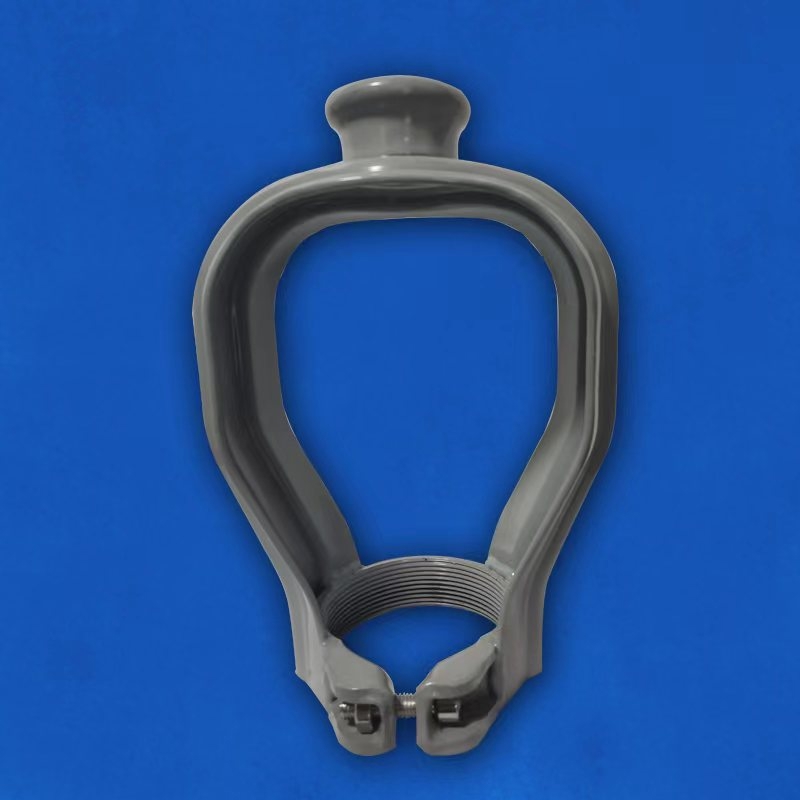
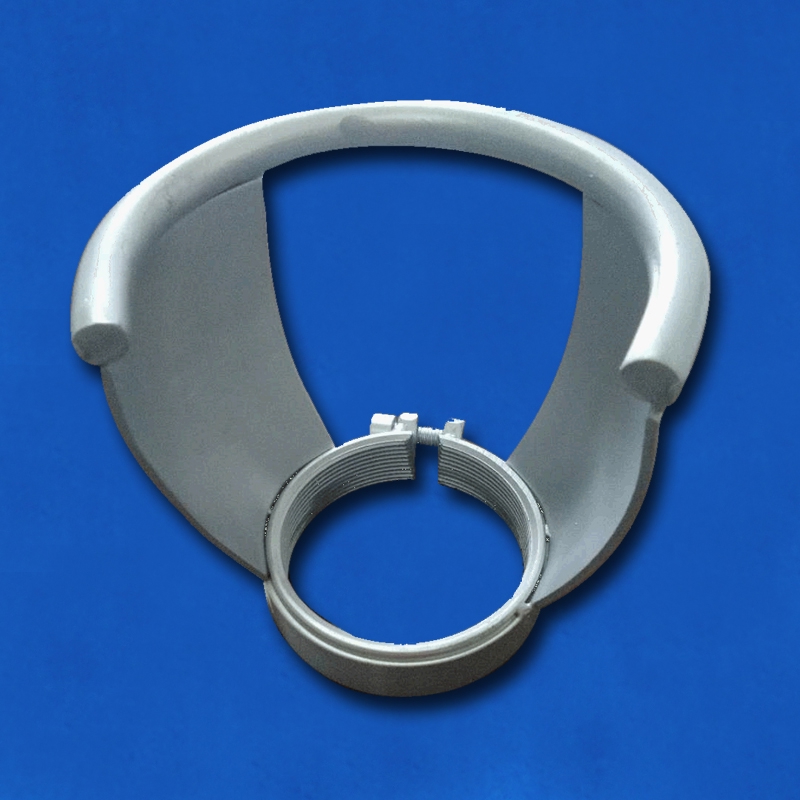
In the international gas equipment trade, informal terminology and colloquial workshop nicknames frequently create costly procurement misunderstandings. Among the most common sourcing ambiguities is the term "tulip cap." While field operators and regional distributors often use this phrase casually, precision manufacturing requires distinguishing between open-access flaring guards and traditional closed hemispherical caps. Relying on colloquial descriptions when communicating with overseas tooling engineers risks producing hardware that fails to fit valve assemblies or violates transport safety regulations. Sourcing teams must establish blueprint-driven specifications when ordering from manufacturing partners in China.
Clarify Industry Terminology: Tulip Guard Geometry vs Enclosed Caps
The term "tulip guard" designates an open-access protective collar featuring upward-flaring steel petals, vertical pillars, or generous side window cutouts resembling an opening tulip blossom. This geometry remains permanently mounted to the cylinder neck ring or collar, extending above the valve assembly to deflect physical impacts while leaving the valve outlet, handwheel, and pressure relief valve accessible. Technicians connect regulators, filling pigtails, and hoses directly through lateral apertures without detaching the protective unit.
In contrast, a traditional removable cap forms a completely closed hemispherical or cylindrical steel dome that threads over the neck ring, encasing the valve assembly entirely. Standard caps lack side access apertures and must be fully unscrewed and detached before operators can access valve controls or connect gas dispensing equipment.
While buyers and field technicians occasionally use the phrase "tulip cap" as an umbrella term, precision engineering requires rigorous differentiation. An open guard and an enclosed dome serve fundamentally different operational workflows and fulfill distinct regulatory safety mandates. Sourcing teams should base technical inquiries on 2D engineering blueprints and 3D CAD models rather than colloquial trade nicknames.
Operational Impact: Permanent Mounting vs Detachable Domes
The mechanical difference between a flaring guard and a detachable cap fundamentally alters daily cylinder handling workflows. A tulip-style guard stays bolted, clamped, or threaded to the cylinder throughout its entire operating lifecycle. Technicians connect manifold pigtails and gas regulators directly through the guard's open side windows, completely eliminating the repetitive physical labor of detaching hardware during high-volume filling operations.
Removable caps require manual removal for every gas connection and re-installation prior to transport. While removable caps provide complete physical isolation against airborne dust, rain, and moisture, they are frequently misplaced on customer worksites. When contractors leave caps behind, returned empty cylinders circulate back to filling depots with unprotected neck collars. Tulip guards eliminate cap loss entirely, preventing returned cylinders from sustaining neck thread contamination or valve damage during transport.
High-Volume Depot Filling Workflow Acceleration
Permanent tulip guards allow direct filling whip attachment during automated carousel processing. Eliminating detachable caps reduces turnaround cycle times by up to forty percent and prevents valve neck thread damage across fast-turnover regional distribution routes.
Tulip Guard vs Removable Cap Engineering Comparison
Comparing geometric, functional, and manufacturing characteristics ensures procurement teams select the appropriate protective hardware for specific gas services. Sourcing teams evaluate five core technical parameters:
Mechanical Geometry: Flaring petal uprights with lateral windows provide continuous valve access, whereas seamless enclosed domes deliver total 360-degree environmental and physical protection.
Mounting Architecture: Flaring guards mount permanently via collar threads or clamping rings, while enclosed caps utilize standard removable neck ring threading for periodic manual detachment.
Valve Connection Efficiency: Open guards enable direct hose and regulator attachment without hardware removal, whereas enclosed caps require manual unscrewing prior to each filling cycle.
Impact Absorption Mechanics: Cast steel uprights deflect severe lateral impacts into cylinder shoulders, while deep-drawn steel caps dissipate kinetic energy through controlled plastic dome deformation.
Specification Precision: Flaring guards require comprehensive CAD blueprint definitions to ensure clearance around specific valve geometries, whereas standard enclosed caps depend primarily on verified neck ring thread sizing.
Technical Drawing Checklist for Sourcing Custom Tulip Profiles
Because tulip guard geometry varies widely across regional gas markets, buyers must avoid ordering based on generic catalog descriptions. Specifying precise dimensional parameters ensures that custom tooling produces guards matching cylinder collar heights, valve handwheels, and regulator clearances.
Sourcing teams should follow a four-point engineering checklist when preparing technical briefs for China factories:
Specify exact collar neck ring thread dimensions, covering Whitworth forms such as W80-11 and W3-1/8-11 or metric M120 profiles, noting required pitch diameter and lead chamfers.
Define maximum lateral window dimensions and angular clearances to guarantee unobstructed connection space for customer regulators and automated filling heads.
Establish minimum overhead height margins (at least 15 millimeters above the valve handwheel) to ensure effective impact deflection during accidental falls.
Mandate third-party physical drop impact testing in compliance with ISO 11117 before authorizing volume production tooling.
Adhering to this drawing-led verification checklist prevents tooling errors, ensuring that the custom stamping dies or casting molds produce components that interface seamlessly with your specific valve models.
Verify Manufacturing Tooling and Surface Coating Integrity
Custom tulip guards require specialized manufacturing capabilities spanning ductile steel casting, precision stamping, and CNC machining. Qualified China manufacturers utilize three-dimensional CAD modeling, such as UG software, to optimize mold patterns, eliminating sharp internal radii and stress concentrations that could fracture during severe impact.
Surface finish durability represents another vital procurement checkpoint. Industrial cylinders endure harsh weathering in outdoor depot yards and coastal filling plants. Sourcing managers should mandate multi-stage surface finishing, including cathodic electrophoretic priming (E-coat) to protect internal collar threads against rust and galling.
Exterior surfaces should receive electrostatic polyester powder coating. Durable polyester coatings withstand high ambient temperatures, intense ultraviolet exposure, and aggressive chemical washing without flaking, peeling, or fading. Powder coating also enables custom fleet color branding, providing clear visual differentiation between industrial gas types.
Frequently Asked Questions About Tulip Guards and Caps
Procurement teams frequently clarify industry nicknames, collar dimensions, and transport compliance before ordering tulip guards. The following direct answers resolve common sourcing ambiguities.
What is the primary operational advantage of a tulip guard?
A tulip guard allows operators to connect regulators, filling whips, and pressure gauges directly through side windows without detaching the protective hardware from the cylinder.
Why is relying on the term tulip cap risky when ordering from China?
The term tulip cap is an informal trade nickname that may refer either to an open flaring guard or a closed dome, risking severe tooling misalignments and costly mold rework.
Can tulip guards be installed on any compressed gas cylinder?
Tulip guards can be retrofitted to any cylinder featuring standard threaded neck collars matching the guard's base connection profile, such as W80-11 or W3-1/8-11.
Do tulip guards meet international transport safety standards?
Permanently mounted tulip guards comply with international transport codes, including DOT and ADR regulations, when designed and certified to pass drop impact testing under ISO 11117.
What minimum order quantity is typical for custom tooling in China?
Custom guard tooling programs typically require a minimum production run of 500 units. This volume balances custom stamping die fabrication, foundry pattern setup, and automated coating changeovers.
Sourcing a China Tulip Cap Factory for Custom Protection
Eliminating terminology confusion between tulip guards and removable caps ensures your cylinder fleet deploys hardware tailored to operational workflows. Partnering with an experienced China manufacturer guarantees that custom protection components are built to exact blueprints and international safety standards rather than ambiguous trade names.
Operating advanced metal forming facilities in Zhejiang, China, Qizheng provides comprehensive OEM engineering and manufacturing across custom tulip guards and traditional threaded caps. Through its dedicated manufacturing plant, Hangzhou Fuyang Hexing Machinery Co., Ltd., the company leverages high-tonnage hydraulic presses, Unigraphics 3D modeling, and an ISO 9001:2015 quality management system. Backed by TUV test compliance under ISO 11117 and proven supply to leading cylinder manufacturers like BTIC, Qizheng delivers certified protection tailored to customer drawings. Visit https://www.gascylindercap.com/ or contact our engineering team to review 2D drawings, confirm collar thread dimensions, and request pilot samples for fleet qualification.
Hangzhou Qizheng Trading Co., Ltd.
Qizheng
Visit us on social media:
LinkedIn
Instagram
Facebook
YouTube
X
Legal Disclaimer:
EIN Presswire provides this news content "as is" without warranty of any kind. We do not accept any responsibility or liability for the accuracy, content, images, videos, licenses, completeness, legality, or reliability of the information contained in this article. If you have any complaints or copyright issues related to this article, kindly contact the author above.
