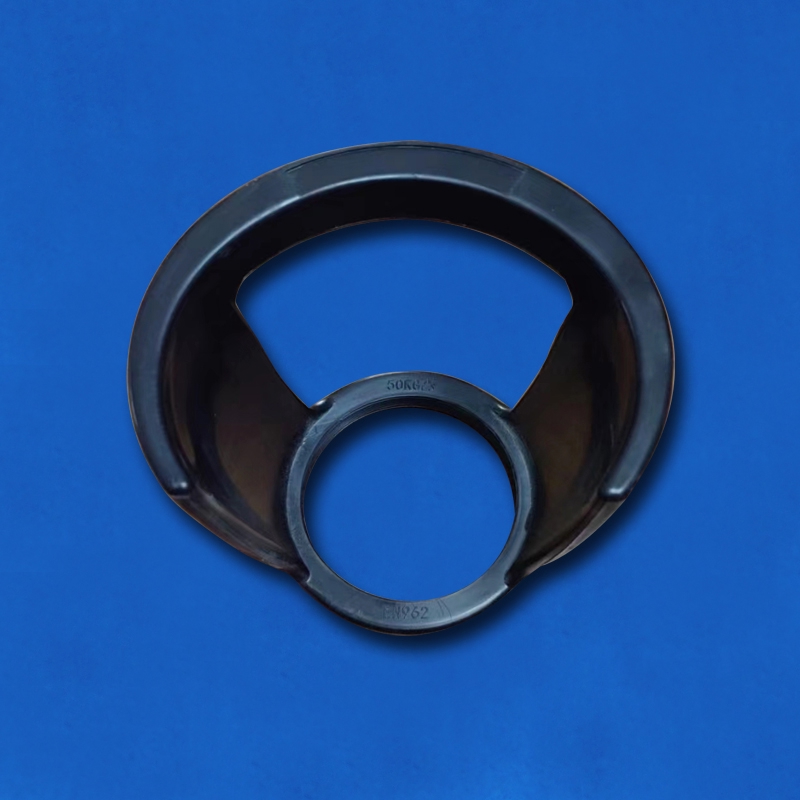
Industrial Plastic Gas Cylinder Cap Factory: Where Plastic Caps Fit in a Broader Valve Protection Range
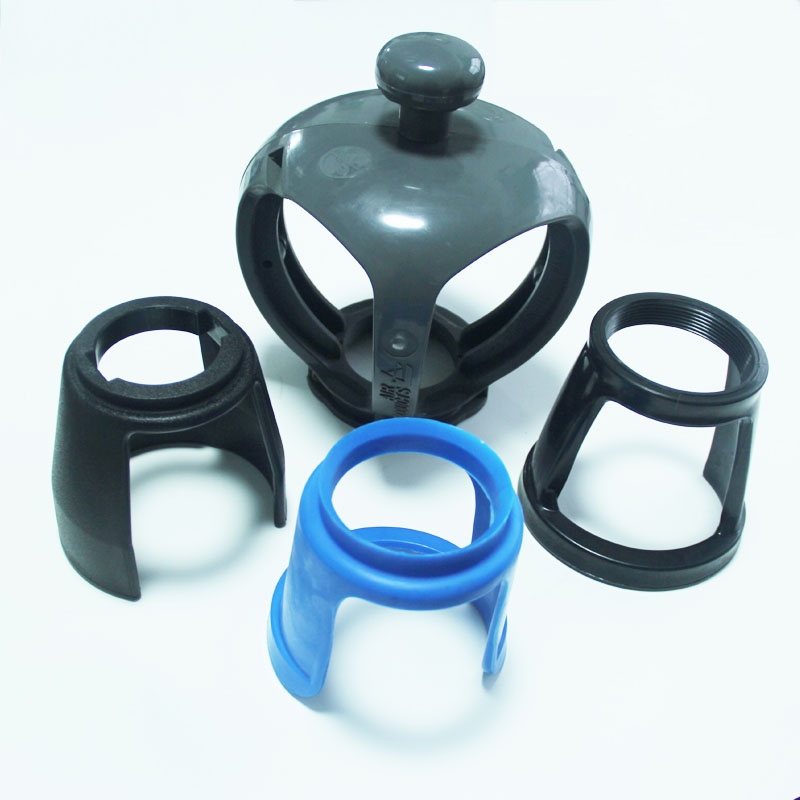
HANGZHOU, ZHEJIANG, CHINA, October 9, 2026 /EINPresswire.com/ -- Engineering polymer caps serve as dedicated environmental barriers designed to exclude dust, moisture, and thread contaminants, complementing structural steel guards in high-volume cylinder operations. Sourcing from a specialized Industrial Plastic Gas Cylinder Cap Factory provides gas distributors with lightweight, cost-effective closures for fleet hygiene and post-filling protection. Qizheng manufactures durable ABS and polyethylene caps alongside heavy-duty steel guards, delivering balanced protection solutions across all cylinder categories.
In the management of global cylinder fleets, selecting appropriate protective hardware requires matching material capabilities to specific operational environments. Heavy-duty carbon steel caps remain mandatory for high-pressure roadway transit. However, engineering polymer caps maintain thread hygiene, prevent particulate contamination, and reduce handling costs across indoor depots and low-pressure fleets. Partnering with a manufacturer equipped with both advanced plastic injection molding and precision steel stamping infrastructure allows gas distributors to deploy an optimized, multi-tiered protection strategy.
Define the Role of Polymer Caps in Valve Hygiene and Thread Shielding
Engineering plastic caps serve primarily as environmental barriers, safeguarding valve outlet threads, packed glands, and orifice seals from moisture, particulate grit, and airborne chemicals. In medical oxygen, electronic specialty gases, and food-grade beverage fleets, preventing particulate contamination in valve ports is essential. Even microscopic airborne dust settling into a valve outlet can contaminate ultra-pure gas streams or ignite within high-pressure oxygen regulators. Lightweight polymer caps provide airtight, moisture-resistant seals that preserve valve cleanliness during warehouse storage and internal cleanroom staging.
Plastic closures also prevent neck ring thread damage during indoor depot handling. Because polymers do not corrode, plastic caps eliminate the risk of atmospheric rust binding threads to cylinder collars. In humid storage environments or coastal filling facilities, steel-on-steel contact causes oxidation that seizes metal caps onto collars. Polymer caps screw on and off effortlessly, providing clean mechanical protection without requiring anti-seize lubrication. Sourcing managers frequently deploy plastic caps on low-pressure LPG cylinders, refrigerant vessels, and indoor calibration tanks where severe drop impacts are unlikely.
Compare Mechanical Properties: Engineering Plastics vs Structural Steel
The primary distinction between plastic and steel protection lies in mechanical kinetic energy absorption. Acrylonitrile butadiene styrene (ABS) and polyamide (PA66) polymers offer high tensile resilience, chemical resistance, and excellent elastic recovery under light warehouse scuffs and abrasive scraping. However, engineering polymers possess significantly lower shear strength, modulus of elasticity, and fracture toughness than hot-rolled structural carbon steel.
High-pressure gas cylinders store immense energy, typically pressurized from 150 to 300 bar. If an unshielded cylinder falls from a transport vehicle or loading dock, the impact velocity generates massive dynamic bending moments. Deep-drawn carbon steel caps deform plastically to absorb violent drop impacts without transferring shock loads into the valve body. In contrast, under severe dynamic drop impacts, standard thermoplastic caps can shatter or shear off the neck ring, leaving the valve stem exposed.
Sourcing teams must recognize that plastic caps cannot replace steel enclosures on cylinders governed by mandatory drop impact regulations. Understanding these material boundaries allows sourcing directors to reserve steel closures for regulated road transit while deploying polymer caps for cleanroom, medical, or indoor workshop storage.
Plastic vs Steel Valve Protection Performance Matrix
Evaluating mechanical, chemical, and economic attributes helps buyers select the appropriate closure material for specific cylinder classes. Sourcing teams evaluate five core performance dimensions:
Primary Functional Role: Polymer caps provide environmental dust sealing, moisture exclusion, and thread cleanliness, whereas deep-drawn steel caps deliver kinetic impact absorption and pressurized valve containment.
Weight and Ergonomics: Polymer caps maintain a minimal weight footprint that reduces handling fatigue during manual washing and inspection, while steel caps add structural mass to protect against severe transit impacts.
Corrosion Immunity: Engineering polymers deliver complete immunity to rust, atmospheric oxidation, and chemical corrosion, whereas carbon steel caps require multi-stage electrophoretic priming or powder coating.
Impact Resistance Limits: Plastics withstand light warehouse bumps and cosmetic scuffs but fracture under heavy drops, whereas ductile steel deforms without cracking under ISO 11117 drop testing protocols.
Unit Sourcing Economics: High-speed polymer injection molding minimizes unit purchasing costs for high-volume fleets, whereas deep-drawn steel stamping involves higher tooling, raw material, and finishing expenses.
Assess Injection Moulding Precision, Shrinkage, and Thread Fit
Precision injection moulding is required to ensure plastic cylinder caps thread smoothly onto standard neck rings without binding, cross-threading, or stripping. Engineering polymers such as ABS and PA66 exhibit volumetric thermal shrinkage during cooling that can distort internal thread pitches if mold tooling is uncalibrated.
Qualified manufacturers utilize high-tonnage injection moulding machines with precise temperature, injection pressure, and cooling controls. Maintaining strict processing parameters minimizes post-moulding shrinkage, ensuring that internal collar threads conform strictly to standard Whitworth and metric dimensions for smooth manual installation.
Sourcing teams evaluating an industrial plastic gas cylinder cap factory should follow a four-stage qualification protocol:
Specify the operating temperature range and chemical exposure conditions to select between ABS, polypropylene, and glass-filled PA66 polymers.
Review mold core cooling channels and shrinkage compensation factors in supplier CAD tooling models to prevent ovality and thread distortion.
Validate internal thread engagement using Go and No-Go thread plug gauges to confirm smooth manual installation without loose wobble.
Conduct drop impact testing at sub-zero temperatures (e.g., -20°C) to verify that polymer formulations resist brittle cold cracking during winter handling.
Select Hybrid Protection: Combining Steel Impact Shells with Plastic Liners
Advanced gas operations increasingly deploy hybrid protection architectures that leverage the distinct advantages of both materials. High-pressure cylinders utilize a heavy-duty stamped steel outer shell to absorb drop impacts, combined with an internal plastic thread liner or dust cap. This combination provides certified drop resistance while preventing steel-on-steel thread galling.
The polymer insert acts as a sacrificial, non-galling thread interface that eliminates the metal-to-metal friction that frequently causes steel caps to seize onto rusted neck collars. Simultaneously, an internal polymer seal ring prevents moisture, road salt, and particulate grit from penetrating the valve chamber during long-haul transport.
Suppliers operating integrated metal stamping, casting, and injection moulding facilities provide unique manufacturing advantages for hybrid systems. Unified quality oversight ensures that polymer inserts match steel dome tolerances precisely, eliminating fitment friction in customer depots and delivering unified multi-material protection from a single source.
Frequently Asked Questions About Plastic Cylinder Caps
Fleet managers frequently evaluate polymer strengths, collar thread fitment, and regulatory boundaries before ordering plastic cylinder caps. The following direct answers clarify key technical and commercial considerations.
Can plastic cylinder caps replace steel caps on high-pressure cylinders?
No, high-pressure industrial cylinders subject to road and maritime transport regulations require certified steel caps to absorb drop impacts and prevent catastrophic valve shearing.
What are the main advantages of using plastic cylinder caps?
Plastic caps provide complete corrosion immunity, lightweight handling, cost-effective volume manufacturing, and superior sealing against moisture and airborne dust.
Which polymer materials are best suited for industrial cylinder caps?
Acrylonitrile butadiene styrene (ABS) and polyamide (PA66) offer optimal rigidity, impact strength, and dimensional stability for industrial cylinder closures.
How do manufacturers ensure plastic caps fit cylinder neck rings?
Precision injection tooling incorporates polymer shrinkage compensation, and finished caps are audited using calibrated Go and No-Go thread plug gauges.
What minimum order quantity is typical for custom plastic cap moulding?
Custom polymer cap production typically establishes an initial order volume of 500 to 1,000 units. This volume justifies custom injection mould preparation, runner balance optimization, and specialized masterbatch color compounding.
Sourcing from an Industrial Plastic Gas Cylinder Cap Factory
Selecting the right valve protection material requires aligning hardware properties with specific gas service tiers, regulatory transit rules, and environmental exposure. Partnering with a manufacturer offering both plastic injection moulding and structural steel stamping ensures tailored fleet protection across your entire asset portfolio.
As an experienced manufacturer, Qizheng operates more than 100 sets of advanced plastic injection moulding machines ranging from 100g to 10,000g, supported by high-tonnage hydraulic metal stamping lines at its dedicated Hexing Machinery production base. Certified under ISO 9001:2015, Qizheng supplies complete valve protection ranges—from cost-effective polymer dust caps to drop-tested steel guards—serving leading international gas distributors and cylinder manufacturers. Visit https://www.gascylindercap.com/ or contact our engineering team to discuss material selections, review collar fitment requirements, and request sample polymer caps for fleet trials.
In the management of global cylinder fleets, selecting appropriate protective hardware requires matching material capabilities to specific operational environments. Heavy-duty carbon steel caps remain mandatory for high-pressure roadway transit. However, engineering polymer caps maintain thread hygiene, prevent particulate contamination, and reduce handling costs across indoor depots and low-pressure fleets. Partnering with a manufacturer equipped with both advanced plastic injection molding and precision steel stamping infrastructure allows gas distributors to deploy an optimized, multi-tiered protection strategy.
Define the Role of Polymer Caps in Valve Hygiene and Thread Shielding
Engineering plastic caps serve primarily as environmental barriers, safeguarding valve outlet threads, packed glands, and orifice seals from moisture, particulate grit, and airborne chemicals. In medical oxygen, electronic specialty gases, and food-grade beverage fleets, preventing particulate contamination in valve ports is essential. Even microscopic airborne dust settling into a valve outlet can contaminate ultra-pure gas streams or ignite within high-pressure oxygen regulators. Lightweight polymer caps provide airtight, moisture-resistant seals that preserve valve cleanliness during warehouse storage and internal cleanroom staging.
Plastic closures also prevent neck ring thread damage during indoor depot handling. Because polymers do not corrode, plastic caps eliminate the risk of atmospheric rust binding threads to cylinder collars. In humid storage environments or coastal filling facilities, steel-on-steel contact causes oxidation that seizes metal caps onto collars. Polymer caps screw on and off effortlessly, providing clean mechanical protection without requiring anti-seize lubrication. Sourcing managers frequently deploy plastic caps on low-pressure LPG cylinders, refrigerant vessels, and indoor calibration tanks where severe drop impacts are unlikely.
Compare Mechanical Properties: Engineering Plastics vs Structural Steel
The primary distinction between plastic and steel protection lies in mechanical kinetic energy absorption. Acrylonitrile butadiene styrene (ABS) and polyamide (PA66) polymers offer high tensile resilience, chemical resistance, and excellent elastic recovery under light warehouse scuffs and abrasive scraping. However, engineering polymers possess significantly lower shear strength, modulus of elasticity, and fracture toughness than hot-rolled structural carbon steel.
High-pressure gas cylinders store immense energy, typically pressurized from 150 to 300 bar. If an unshielded cylinder falls from a transport vehicle or loading dock, the impact velocity generates massive dynamic bending moments. Deep-drawn carbon steel caps deform plastically to absorb violent drop impacts without transferring shock loads into the valve body. In contrast, under severe dynamic drop impacts, standard thermoplastic caps can shatter or shear off the neck ring, leaving the valve stem exposed.
Sourcing teams must recognize that plastic caps cannot replace steel enclosures on cylinders governed by mandatory drop impact regulations. Understanding these material boundaries allows sourcing directors to reserve steel closures for regulated road transit while deploying polymer caps for cleanroom, medical, or indoor workshop storage.
Plastic vs Steel Valve Protection Performance Matrix
Evaluating mechanical, chemical, and economic attributes helps buyers select the appropriate closure material for specific cylinder classes. Sourcing teams evaluate five core performance dimensions:
Primary Functional Role: Polymer caps provide environmental dust sealing, moisture exclusion, and thread cleanliness, whereas deep-drawn steel caps deliver kinetic impact absorption and pressurized valve containment.
Weight and Ergonomics: Polymer caps maintain a minimal weight footprint that reduces handling fatigue during manual washing and inspection, while steel caps add structural mass to protect against severe transit impacts.
Corrosion Immunity: Engineering polymers deliver complete immunity to rust, atmospheric oxidation, and chemical corrosion, whereas carbon steel caps require multi-stage electrophoretic priming or powder coating.
Impact Resistance Limits: Plastics withstand light warehouse bumps and cosmetic scuffs but fracture under heavy drops, whereas ductile steel deforms without cracking under ISO 11117 drop testing protocols.
Unit Sourcing Economics: High-speed polymer injection molding minimizes unit purchasing costs for high-volume fleets, whereas deep-drawn steel stamping involves higher tooling, raw material, and finishing expenses.
Assess Injection Moulding Precision, Shrinkage, and Thread Fit
Precision injection moulding is required to ensure plastic cylinder caps thread smoothly onto standard neck rings without binding, cross-threading, or stripping. Engineering polymers such as ABS and PA66 exhibit volumetric thermal shrinkage during cooling that can distort internal thread pitches if mold tooling is uncalibrated.
Qualified manufacturers utilize high-tonnage injection moulding machines with precise temperature, injection pressure, and cooling controls. Maintaining strict processing parameters minimizes post-moulding shrinkage, ensuring that internal collar threads conform strictly to standard Whitworth and metric dimensions for smooth manual installation.
Sourcing teams evaluating an industrial plastic gas cylinder cap factory should follow a four-stage qualification protocol:
Specify the operating temperature range and chemical exposure conditions to select between ABS, polypropylene, and glass-filled PA66 polymers.
Review mold core cooling channels and shrinkage compensation factors in supplier CAD tooling models to prevent ovality and thread distortion.
Validate internal thread engagement using Go and No-Go thread plug gauges to confirm smooth manual installation without loose wobble.
Conduct drop impact testing at sub-zero temperatures (e.g., -20°C) to verify that polymer formulations resist brittle cold cracking during winter handling.
Select Hybrid Protection: Combining Steel Impact Shells with Plastic Liners
Advanced gas operations increasingly deploy hybrid protection architectures that leverage the distinct advantages of both materials. High-pressure cylinders utilize a heavy-duty stamped steel outer shell to absorb drop impacts, combined with an internal plastic thread liner or dust cap. This combination provides certified drop resistance while preventing steel-on-steel thread galling.
The polymer insert acts as a sacrificial, non-galling thread interface that eliminates the metal-to-metal friction that frequently causes steel caps to seize onto rusted neck collars. Simultaneously, an internal polymer seal ring prevents moisture, road salt, and particulate grit from penetrating the valve chamber during long-haul transport.
Suppliers operating integrated metal stamping, casting, and injection moulding facilities provide unique manufacturing advantages for hybrid systems. Unified quality oversight ensures that polymer inserts match steel dome tolerances precisely, eliminating fitment friction in customer depots and delivering unified multi-material protection from a single source.
Frequently Asked Questions About Plastic Cylinder Caps
Fleet managers frequently evaluate polymer strengths, collar thread fitment, and regulatory boundaries before ordering plastic cylinder caps. The following direct answers clarify key technical and commercial considerations.
Can plastic cylinder caps replace steel caps on high-pressure cylinders?
No, high-pressure industrial cylinders subject to road and maritime transport regulations require certified steel caps to absorb drop impacts and prevent catastrophic valve shearing.
What are the main advantages of using plastic cylinder caps?
Plastic caps provide complete corrosion immunity, lightweight handling, cost-effective volume manufacturing, and superior sealing against moisture and airborne dust.
Which polymer materials are best suited for industrial cylinder caps?
Acrylonitrile butadiene styrene (ABS) and polyamide (PA66) offer optimal rigidity, impact strength, and dimensional stability for industrial cylinder closures.
How do manufacturers ensure plastic caps fit cylinder neck rings?
Precision injection tooling incorporates polymer shrinkage compensation, and finished caps are audited using calibrated Go and No-Go thread plug gauges.
What minimum order quantity is typical for custom plastic cap moulding?
Custom polymer cap production typically establishes an initial order volume of 500 to 1,000 units. This volume justifies custom injection mould preparation, runner balance optimization, and specialized masterbatch color compounding.
Sourcing from an Industrial Plastic Gas Cylinder Cap Factory
Selecting the right valve protection material requires aligning hardware properties with specific gas service tiers, regulatory transit rules, and environmental exposure. Partnering with a manufacturer offering both plastic injection moulding and structural steel stamping ensures tailored fleet protection across your entire asset portfolio.
As an experienced manufacturer, Qizheng operates more than 100 sets of advanced plastic injection moulding machines ranging from 100g to 10,000g, supported by high-tonnage hydraulic metal stamping lines at its dedicated Hexing Machinery production base. Certified under ISO 9001:2015, Qizheng supplies complete valve protection ranges—from cost-effective polymer dust caps to drop-tested steel guards—serving leading international gas distributors and cylinder manufacturers. Visit https://www.gascylindercap.com/ or contact our engineering team to discuss material selections, review collar fitment requirements, and request sample polymer caps for fleet trials.
Hangzhou Qizheng Trading Co., Ltd.
Qizheng
Visit us on social media:
LinkedIn
Instagram
Facebook
YouTube
X
Legal Disclaimer:
EIN Presswire provides this news content "as is" without warranty of any kind. We do not accept any responsibility or liability for the accuracy, content, images, videos, licenses, completeness, legality, or reliability of the information contained in this article. If you have any complaints or copyright issues related to this article, kindly contact the author above.